
The government confirmed its decision in July on Nottinghamshire’s nine councils being reduced to just two new unitary authorities
Cllr Teresa Cullen, for the Broxtowe Alliance (LDRS)
An area of west Nottinghamshire could end up with a smaller council to help “protect” its cultural identity amid government plans to merge local authorities.
Earlier in July, the government confirmed its decision on how Nottinghamshire’s nine councils would be reduced to just two new unitary authorities in the largest boundary shake-up for the county in 50 years.
This process is called local government reorganisation (LGR) and by 2028 sections of Broxtowe, Gedling and Rushcliffe will become part of an enlarged Nottingham city area to form one unitary, and a second unitary will cover the rest of the county.
The Labour Government’s LGR plans have been shrouded in debate and criticism since they were announced in December 2024, with some council leaders routinely voicing concerns about their potential impact on services.
Nottingham City Council’s preferred option for LGR, which it put forward to the government – where parts of Broxtowe, Gedling and Rushcliffe would form a bigger city area – has been previously called a ‘land grab’ by some local politicians.
But it appears over in Broxtowe, an attempt could be made to “protect” and “conserve” part of the borough’s identity and assets.
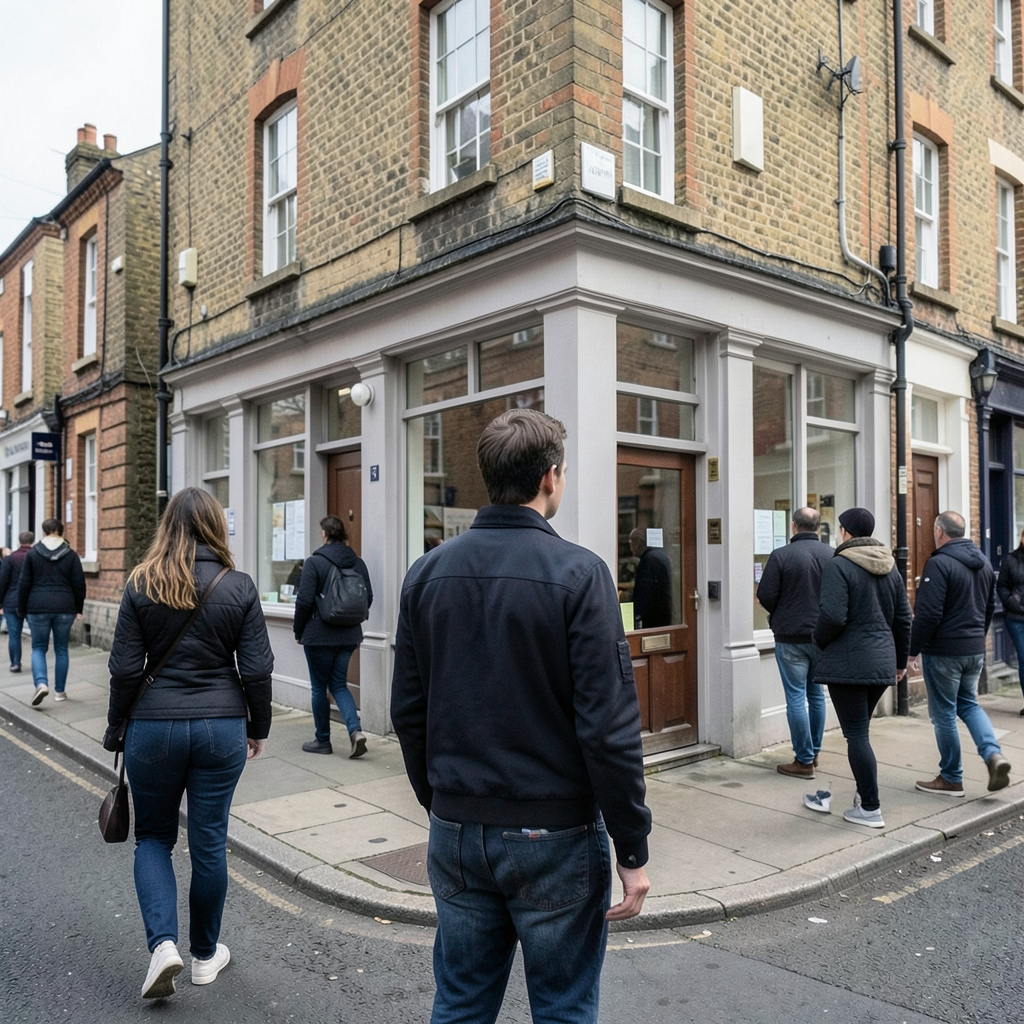
A general view of High Road in Beeston town centre.
Broxtowe Alliance councillor Teresa Cullen, who represents Toton and Chilwell on the borough council and Beeston on Nottinghamshire County Council, took to Facebook on July 20 to share the idea of a new town council.
This could include Attenborough, Beeston, Chilwell and Toton getting their own town council – and has since included Bramcote.
Town and parish councils are the first tier of local government, where unlike in two-tier and unitary authorities, councillors do not receive an allowance and the authorities have local powers over certain community amenities such as allotments, parks, community centres and toilets.
These south Broxtowe areas currently do not have a smaller authority representing them, whereas areas such as Eastwood, Kimberley and Stapleford already do.
Speaking to the Local Democracy Reporting Service, Cllr Cullen said: “A town council can own those assets, they can be transferred, Broxtowe Borough Council could transfer the community centres to a town council, to safeguard them from being lost for the community.”
Cllr Cullen says her “fear” is that these types of assets could be lost when these areas are absorbed into a new, enlarged Nottingham boundary, if the new authority chooses to sell them in the future.
She continued: “There’s quite a lot of allotments in Beeston, they could be safeguarded from housing development… I think we’ve got to put something in place at least, it seems like a tiny amount we can do – to me, anything you can do is something.”
At present, Cllr Cullen’s proposals are to ask for permission for a governance review.
A general view of the council house in Nottingham city centre(Image: Joseph Raynor/Nottingham Post)
This would be needed to see if a town council for an area is warranted, but it requires 10 per cent of people on the electoral register in an area to give their signature to trigger.
If a review found that a new town council is feasible, then a plan for where it would be based and how many councillors it would require would follow.
Cllr Cullen says a new town council could help to “hold onto the identity” of the area, which is set to merge with Nottingham, along with parts of Gedling and Rushcliffe.
She said: “I feel like people will know they still belong to the area, it’s not just a part of the city. We’re not just a suburb of a city, we’re a town in our own right – I think that’s important.
“It’s holding onto the identity of the area and safeguarding some of our assets from being swallowed up by a big super council.”
Broxtowe Borough Council leader, Milan Radulovic (Brox Alliance), told the LDRS such a move could help “conserve” and “protect” an area’s identity, heritage and culture.
He told the LDRS he believed Beeston alone was a sufficient size already to warrant its own town council, separately from the other identified areas.
This is because the town already has something known as the Beeston Special Expense precept, which appears on tax bills and goes towards upkeep of amenities like allotments, and this could easily be transferred to a new Beeston town council.
Milan Radulovic, leader of Broxtowe Borough Council (Image: Joseph Raynor/ Reach PLC)
He said: “Beeston has its own cultural heritage and strong background, it would protect its identity. If it isn’t, it could be lost to a larger authority and could have a say over things happening in its own town.
“We could look at if people in the other areas wish to pursue… they would have tax-raising powers, responsible for managing things in its own area – surely that’s what democracy is all about, giving powers right to street-corner level.”
Borough councillor Helen Faccio (Lab), who represents Attenborough and Chilwell East, said: “At a time when local government is being reorganised to ensure the big services like social care, housing and transport work better for residents, my focus is on ensuring the best outcomes for residents in Chilwell, Toton and Attenborough.
“I hear from residents all the time that keeping taxes low is a priority and so the cost and value of any additional layer of representation would need to be well evidenced.
“Local councillors should be concentrating on giving the communities we represent a strong voice on the new unitary local authority by feeding in residents’ views and ideas while the details of how it will function and deliver services are worked out and I urge my constituents to continue to get in touch and do that.”
Cllr Cullen plans to gather residents’ signatures starting this week.