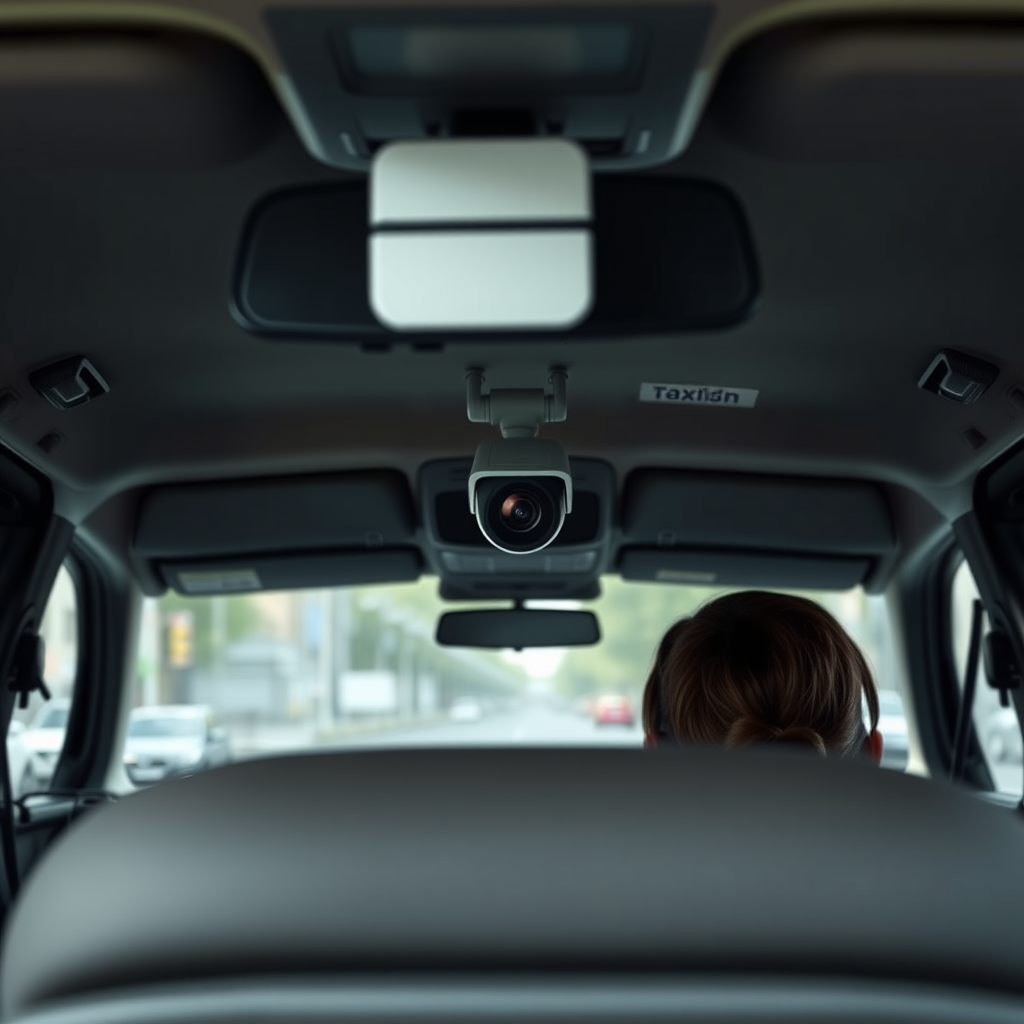
Cab drivers in Mansfield who have installed monitoring equipment in their cars must now comply with new regulations designed to combat unlawful behaviour. The licensing committee of Mansfield District Council gathered on Thursday 16 April to approve this policy after reviewing suggestions contained in the national Taxi Standards guidance. Westminster has called on local authorities to consider whether dashcams and CCTV should be compulsory in licensed vehicles for the safety of those using such services. While the district council supports the principle of mandatory monitoring equipment, members argue this obligation should come from central government rather than being imposed locally. This view arises from worries that drivers could simply obtain their licences from nearby councils that do not impose such conditions. Committee members instead endorsed the adoption of a code of practice covering the use of cameras for operators who decide to fit such devices, guaranteeing conformity with the Data Protection Act 2018 and UK GDPR requirements. Labour councillor Stuart Richardson said this approach could benefit drivers by protecting them from unsubstantiated complaints, making it advantageous for both passengers and those operating the vehicles. The code sets out these stipulations: only two categories of camera are permitted—external dashcams that do not record audio and internal CCTV setups. Internal dashcams must not film passengers and must remain hidden in any footage captured. Operators fitting monitoring equipment must notify the Information Commissioner’s Office, pay the annual data protection fee, renew this annually, and hold their registration documentation ready to show to council officers or police on demand. A data protection impact assessment must be completed proving that camera deployment constitutes an appropriate response to safety concerns. Ongoing audio capture is prohibited; sound may only be obtained through triggering an emergency or panic button. At least three signs informing occupants of monitoring and audio recording must be positioned inside the vehicle, including information about who owns the device. Captured footage and video must be digitally encrypted and kept on storage separate from the camera unit itself. Recordings must be automatically deleted according to a monthly rolling schedule—no footage older than 31 days retained unless required for ongoing criminal or civil investigations. Customers may ask for copies of any recordings showing their image, and such copies must be supplied at no cost. Material may only be shared with approved third parties, including law enforcement or the council, following a formal written request. When vehicles are used for private, non-work purposes, monitoring systems must be deactivated. Operators must maintain equipment according to manufacturer instructions and hold documentation for a minimum of 12 months along with proof of registration. Council officers explained the code seeks to discourage and halt criminal behaviour or disorderly conduct, supply objective documentation for police or council investigations, and assist with settling insurance matters resulting from incidents. The meeting heard that many Mansfield taxi drivers already have cameras operating in their vehicles. Councils across the country are currently considering whether to make monitoring equipment compulsory. In November, Rushcliffe Borough Council decided to review its taxi camera policy with a view to requiring installation, after most councillors expressed support for such a move.
This is a digital representation, not a photograph.